The Internet of Things (IoT) stands on the brink of significant transformation. Key advancements in edge computing and 5G technology are set to enhance data processing and communication. However, with this growth comes a host of security challenges that must be addressed. Moreover, the integration of artificial intelligence promises to revolutionize device functionality. As these elements converge, the implications for various sectors merit closer examination. What innovations lie ahead for IoT?
Emerging Technologies Driving IoT Expansion
As the demand for connectivity and automation grows, several emerging technologies are significantly driving the expansion of the Internet of Things (IoT).
Edge computing enhances data processing speed and reduces latency, crucial for real-time applications.
Simultaneously, 5G connectivity facilitates faster data transmission and supports a higher density of connected devices, enabling seamless communication and fostering innovative solutions that promote individual autonomy and efficiency.
Security Challenges in a Connected World
While the proliferation of IoT devices offers unprecedented convenience and efficiency, it simultaneously introduces significant security challenges that cannot be overlooked.
Ensuring data privacy is paramount, as personal information becomes increasingly vulnerable to breaches. Moreover, robust device authentication is essential to prevent unauthorized access, safeguarding both individual users and interconnected systems.
Addressing these challenges is crucial for maintaining trust in an increasingly connected world.
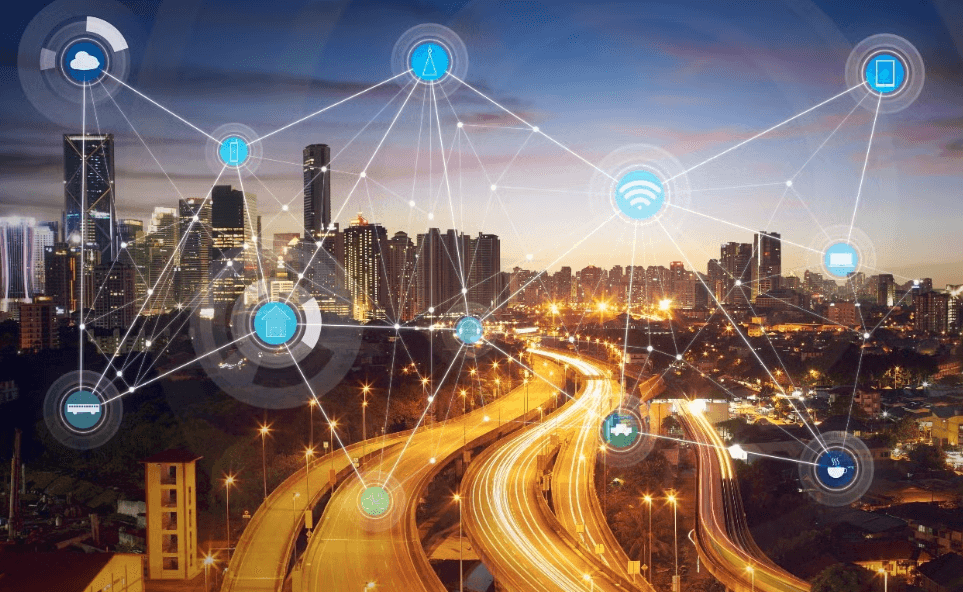
See also: What’s Next for the Rise of Smart Cities?
The Role of Artificial Intelligence in IoT
Artificial Intelligence (AI) enhances the functionality and efficiency of Internet of Things (IoT) systems by enabling devices to process vast amounts of data and make autonomous decisions.
Through predictive analytics, AI can forecast trends and behaviors, thereby facilitating smart automation.
This synergy allows for improved operational efficiencies and more responsive systems, ultimately empowering users with greater control and insight into their connected environments.
Future Applications and Innovations in IoT
With the rapid advancement of technology, the future applications and innovations in the Internet of Things (IoT) promise to transform various sectors, including healthcare, agriculture, and urban infrastructure.
Smart homes will enhance energy efficiency and security, while industrial automation will streamline processes and reduce costs.
These advancements foster independence, empowering individuals and businesses to optimize operations and improve quality of life through interconnected systems.
Conclusion
As the Internet of Things unfurls like a vibrant tapestry, interwoven with the threads of edge computing and 5G, it paints a future rich with potential. Each device sparkles like a star in a digital galaxy, powered by AI’s illuminating insight. Yet, amid this brilliance, shadows of security loom, demanding vigilance. The horizon beckons with innovative applications, promising not only enhanced efficiency but also a profound transformation of daily life, where technology dances seamlessly with human experience.