Maintaining a healthy wastewater system is essential for any property. Septic tanks play a crucial role in safely processing household waste, but they require regular attention to function efficiently. Modern wastewater solutions have evolved to make septic maintenance easier, safer, and more environmentally friendly. From routine septic tank emptying to advanced treatment methods, homeowners now have a variety of options to ensure their systems remain reliable.
Importance Of Regular Septic Tank Emptying
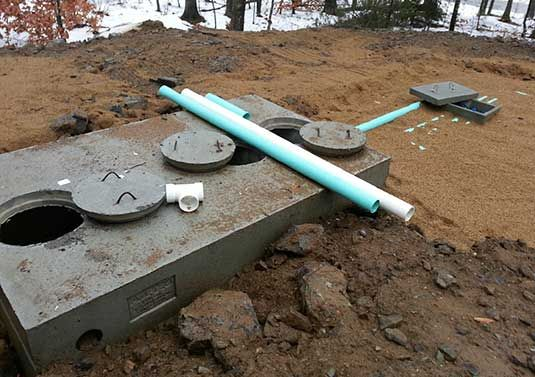
Septic tank emptying is the process of removing accumulated sludge and solids from a septic tank to prevent blockages and system failure. Regular emptying is vital because untreated waste can cause backups, unpleasant odors, and environmental contamination. Professionals typically recommend inspection and emptying every three to five years, depending on usage. By maintaining a consistent schedule, homeowners can avoid costly repairs and extend the lifespan of their septic systems.
Modern Techniques In Septic Tank Emptying
Traditional septic tank emptying involved basic pumping methods, but modern techniques have improved efficiency and safety. Today, vacuum trucks equipped with advanced filtration systems are standard. These systems minimize spillage and reduce environmental risks. Some services now offer real-time monitoring, which ensures tanks are emptied precisely when needed. These modern methods make septic tank emptying faster, cleaner, and more environmentally responsible.
Eco-Friendly Approaches To Wastewater Management
Sustainable wastewater solutions have gained popularity as homeowners seek greener options. Technologies like biofilters, aerobic treatment units, and constructed wetlands help treat wastewater naturally before it enters the environment. Incorporating eco-friendly solutions alongside regular septic tank emptying reduces pollution and conserves local water resources. These methods demonstrate how modern wastewater management is no longer just about disposal—it’s about environmental protection too.
Preventative Maintenance And Septic Tank Emptying
Preventative maintenance plays a crucial role in prolonging the life of a septic system. Beyond emptying, homeowners should monitor water usage, avoid flushing harmful chemicals, and inspect components regularly. Combining these habits with scheduled septic tank emptying ensures that minor issues are addressed before they escalate. This proactive approach saves money, prevents emergencies, and keeps wastewater systems running smoothly.
See also: What’s Next for Video Conferencing Technology?
Technological Advances In Wastewater Solutions
Recent technological advances have transformed wastewater management. Smart sensors, automated pumps, and remote monitoring systems allow homeowners to track tank levels and detect problems early. These innovations reduce the frequency of emergency interventions and support more efficient septic tank emptying schedules. By embracing technology, modern wastewater solutions become more reliable, cost-effective, and user-friendly.
Community Benefits Of Modern Wastewater Solutions
Efficient septic management doesn’t just benefit individual homeowners—it also protects public health and local ecosystems. Proper septic tank emptying prevents groundwater contamination and reduces the risk of waterborne diseases. Modern wastewater solutions promote clean water, minimize odors, and contribute to community well-being. By investing in these systems, neighborhoods can enjoy safer, healthier environments.
Conclusion
Septic tank emptying is a vital aspect of maintaining a functional and sustainable wastewater system. Combined with modern wastewater solutions, it ensures that waste is managed efficiently, safely, and responsibly. Regular maintenance, eco-friendly technologies, and innovative monitoring techniques have transformed how homeowners care for their septic systems.