When deciding what food to give kids, parents may be tempted by foods that please or tempt the child, but not by something that may be considered a better habit for everyday eating. Packaged foods may make it easier to eat when you’re on the move, or they could be eaten for quick lunchtime sustenance or afternoon snacks, but it’s the ingredients that make the difference.
It can help them make informed decisions when they read labels, understand the common ingredients in their food and look for alternative products that they do not eat if they contain artificial preservatives, artificial colours or maida and palm oil. With a focus on ingredient transparency, nutritional information, the taste of the product, and its suitability for various healthy packaged snacks for kids can fit into a busy routine.
Read the Ingredient List Carefully
The list of ingredients can be a good indicator for selecting packaged foods. Clean-label products emphasise clarity and an understanding of their ingredients and make only clear and known claims. Look for products that do not contain artificial colours, artificial preservatives, maida or palm oil as well.
There are also variations of many that are not sweetened with refined sugar. These descriptions alleviate parents’ concerns about purchasing a product and allow them to make sound decisions when buying products based on the ingredients, not just the packaging. A clear label will facilitate comparisons and make it easier for them to choose foods that they prefer to eat every day for their families.
Look for Familiar Ingredients
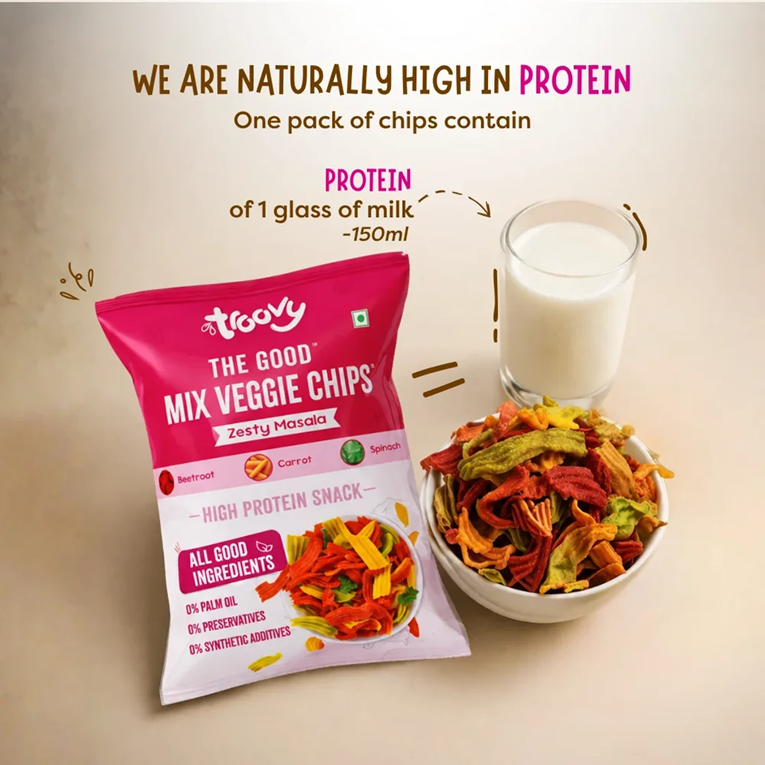
Ingredients can be used to determine the nutritional properties of a product. From the West to the East, ragi, vegetables, millets, dals and grains, nuts, tomatoes, jaggery and dates are found. Ragi chips are made of whole-grain ragi, and mixed veggie chips consist of actual veggies, not fried, which are baked.
The high protein value of these millets is evident in millet pasta or in a mixture of millets, dals and grains in chocolate cereal. These options illustrate examples of the various ways recognised ingredients can be added into packaged foods. When it comes to what the best healthy snacks for kids are, it’s a great first step to take to examine the quality and clarity of ingredients.
Consider Taste Alongside Nutrition
A healthier choice is more likely to become a regular favourite when children enjoy the taste. By using familiar foods with carefully considered ingredients, nutrition and flavour can go hand in hand. For daily meals, snacks and tiffins, you can have tomato ketchup, choco spread, chocolate cereal, chips and pasta.
These products are also fun products that are evident in the customer’s experience. It isn’t just about selecting healthy-looking food; it’s about making healthy foods a part of children’s mealtimes and providing choices that are good to know and safe for labelling.
Choose Products for the Occasion
The correct packaged food might depend on when it will be consumed. This series contains products for snacks, tiffins, mornings and meals, so pre-gruelling food can be considered based on daily activities.
Convenience sizes and easy-to-set-up tiffin packing options may be helpful when preparing school lunches. Ragi chips and veggie chips can be used as snacks, and ketchup can be mixed into meals. Millet pasta can be included in the dinner meal, and the chocolate cereal is served as a breakfast cereal. It assists parents in making decisions about a product based on a child’s normal buying pattern instead of considering all packaged foods as a purchasing item.
Pay Attention to Specific Product Details
Each product contains different ingredients, and it is important for parents to read the labels carefully to find out what their products contain. The chocolate milk mix delivers 25 essential vitamins and minerals with each scoop, 9 g of protein with every serving and algal-source DHA, as well as probiotic cultures. It uses jaggery and dates as a substitute for regular sugar, and the nutrient composition of the ingredients includes ragi, bajra, foxtail millet, oats, almonds, walnuts and cashews.
Through a healthy milk mix for kids, we see the importance of getting detailed product information up front. The ketchup is made from tomatoes, without artificial colours or flavour; the Pizza & Pasta Sauce is lab-tested and certified, without artificial additives or preservatives.
Think About Quality and Transparency
Consumers can have an additional layer of confidence when purchasing packaged products when the information contains quality details. Sauces, it is said, are made in a facility certified by the US FDA and the A+ British Retail Consortium and every batch is nutritionally profiled, undergoes microbial testing and shelf-life testing.
Additionally, the brand explains, its products have been developed with the input of parents, gone through numerous refinements and taste testing cycles, nutritional profile analyses and shelf-life evaluations. These facts demonstrate, rather than focusing perhaps exclusively on marketing terms, an interest in product development and food safety.
Make Everyday Choices More Intentional
Making a positive change and better accessible packaged food choices doesn’t have to be a compromise on convenience or taste that kids love. This might be reading labels carefully, knowing the ingredients, checking product information and choosing a product that’s appropriate for a situation.
The range’s variety is manifested with elation by these numerous chips made using ragi, millet-based pasta, ketchup and tomato, chocolate cereal, and a milk mix of grains, nuts, vitamins, minerals, growth proteins, DHA, and probiotics. Parents may evaluate and make the decision about what they wish to use, best suited to their family’s routine in these details.
Conclusion
If it isn’t the package that determines the choice of healthy packaged snacks for kids, but the package includes information, then it is easier. Transparency around ingredients, easily recognised foods, clearly worded nutrition information, taste, convenience and product quality can all help with making a better choice. With a bit of thought regarding what’s there and how it fits into parents’ own day-to-day eating routines (snack time, school tiffins and mornings are all in there), it’s possible for parents to make sensible and healthy choices, keeping nutrition and fun harmonious.
For parents seeking better everyday food choices, Troovy Foods brings together clean-label snacks, sauces, spreads, millet pasta, breakfast options, and nutrition-focused products designed around families and children. Its range focuses on recognisable ingredients, no added artificial preservatives, no artificial colours, and enjoyable flavours, giving parents convenient options for different everyday eating occasions.