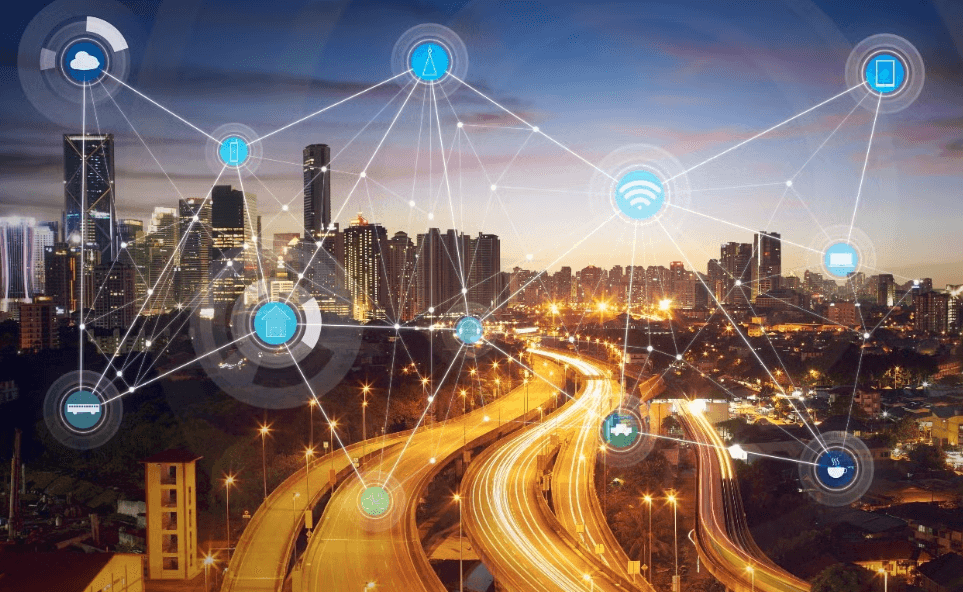
The evolution of smart cities hinges on the integration of emerging technologies and the pressing need for sustainable practices. As urban areas expand, innovative solutions will be crucial for effective resource management and enhanced mobility. However, challenges such as data privacy and community engagement will significantly influence development outcomes. Understanding these dynamics will be essential for stakeholders aiming to navigate the complexities of urban innovation and its implications for future cityscapes.
Emerging Technologies Shaping Smart Cities
As urban populations continue to swell, cities increasingly turn to emerging technologies to enhance infrastructure, improve public services, and foster sustainable living.
IoT integration facilitates real-time data exchange, optimizing resource management. However, this interconnectedness raises concerns over data security, necessitating robust safeguards.
Strategically navigating these advancements empowers cities to thrive while preserving individual freedoms, thus creating a balanced approach to urban development.
Key Challenges in Smart City Development
The integration of emerging technologies in urban environments presents not only opportunities but also significant obstacles in the development of smart cities.
Key challenges include ensuring data privacy amidst increased connectivity and the substantial infrastructure investment required for seamless integration.
Additionally, navigating regulatory frameworks and fostering public trust are essential to overcoming these hurdles, allowing cities to harness the full potential of smart technologies.
See also: What’s Next for the Smart Home Revolution?
The Importance of Community Engagement
While technological advancements offer innovative solutions for urban challenges, the success of smart city initiatives hinges on meaningful community engagement.
Public participation fosters trust and empowers residents, ensuring their needs and aspirations shape urban development.
Inclusive planning not only enhances the relevance of city projects but also cultivates a sense of ownership among citizens, ultimately driving sustainable and resilient urban environments.
Future Trends in Urban Innovation
Emerging from a landscape marked by rapid technological evolution, future trends in urban innovation are poised to redefine the fabric of city life.
Enhanced urban mobility solutions will promote accessibility, while sustainable infrastructure initiatives will prioritize environmental resilience.
These advancements not only empower communities but also foster a sense of freedom, enabling residents to navigate their cities with efficiency and purpose.
Conclusion
As urban populations are projected to reach 9.7 billion by 2050, the evolution of smart cities will become increasingly critical in managing resources and enhancing quality of life. The integration of IoT technologies, paired with a strong emphasis on data privacy and community involvement, will be essential in shaping these urban environments. By prioritizing sustainability and innovation, cities can create resilient infrastructures that not only meet current demands but also anticipate future challenges, fostering vibrant, connected communities.